Life After Oppression: Why PYOC Is a Lifestyle, Not a Movement

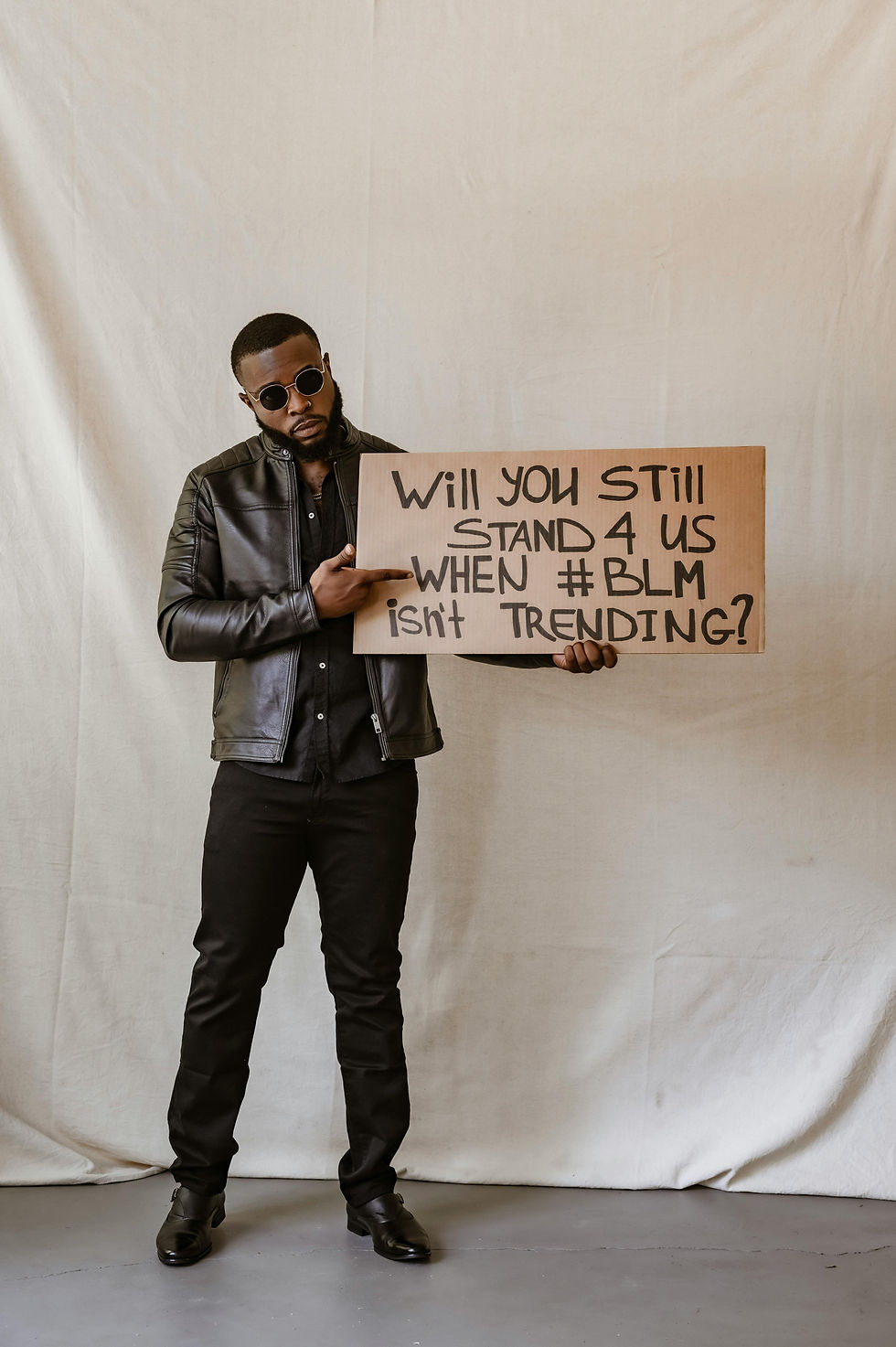
Oppression trained Black America to organize around resistance. Survival became the priority. Protest became the language. Movements became the vehicle. And for a time, that made sense. When your humanity is denied, visibility means something. When your rights are stripped, demands are necessary. But movements are built for moments, not for lifetimes. They flare up in response to crises, then fade when attention shifts. Black people deserve more than temporary momentum. We deserve permanence.
Pick Your Own Cotton (PYOC) begins where movements end. It is not a reaction to oppression. It is a declaration of what comes after it.
A lifestyle is different from a movement because it does not require constant opposition to exist. It does not need an enemy to stay relevant. It is sustained through daily choices, values, and systems that quietly shape outcomes over time. PYOC is rooted in the belief that Black people do not need to be mobilized, we need to be aligned. Aligned in how we think, how we live, and how we invest.
Oppression conditioned us to measure progress by proximity. Proximity to whiteness. Proximity to institutions that were never built for us. Proximity to power we do not control. PYOC rejects that framework entirely. Liberation is not about getting closer to systems that exploit us. It is about building systems that no longer require permission to function.
Movements ask people to show up when something is wrong. A lifestyle asks people to live intentionally even when nothing is on fire. PYOC is about what happens in between headlines. It shows up in where we spend our money, how we educate our children, who we partner with, and what we refuse to normalize. It is expressed through discipline, not outrage. Through ownership, not slogans.
This lifestyle does not shame participation in the broader economy, but it refuses dependency on it. Black independence is not about isolation or rejection of the world. It is about boundaries. It is about deciding that access without control is no longer acceptable. That representation without ownership is insufficient. That wealth without continuity is fragile.
PYOC understands something movements often overlook: systems outlast emotions. Anger can spark change, but only structure sustains it. Our ancestors built economies, schools, churches, and trade networks not because they were angry, but because they were intentional. PYOC is a return to that orientation. Not backward-looking nostalgia, but forward-facing clarity.
Life after oppression is quieter than people expect. It does not look like constant struggle. It looks like stability. It looks like children growing up inside ecosystems designed for them. It looks like Black wealth circulating with purpose and staying where it is created. It looks like a people no longer asking to be included because inclusion is no longer the goal.
PYOC is not a movement because movements end.
This is how we live now.


Comments