pickyourowncotton.com
Isolation is Not a Flex...
Most of us were taught to see survival as a solo effort.
Figure it out.
Make it on your own.
Don’t depend on anyone.
Over time, that message settles in quietly. We learn to measure strength by independence and to treat togetherness as a risk instead of a resource. Many of us didn’t choose that framework consciously. It was inherited.
The Moment Your Realize
You start to realize something about that inheritance doesn’t sit right.
As we move through this cluster, what becomes clear is that the Black family did not weaken by chance. It was reshaped through policy, economics, and incentives that rewarded separation and punished coordination. Individualism was not a natural culture shift. It was enforced.
What we often experience now feels personal, but it’s patterned.
We see families stretched thin, households carrying burdens alone, parents exhausted, elders isolated, and children being raised inside systems that don’t protect them.
We’re told this is just how modern life works. That everyone is struggling. That family breakdown is inevitable. That relying on each other is outdated or unsafe.
But when we slow down and look honestly, we begin to notice something else.
Strong groups don’t rely on individuals to absorb everything.
They distribute responsibility. They share resources. They plan across generations instead of lifetimes.
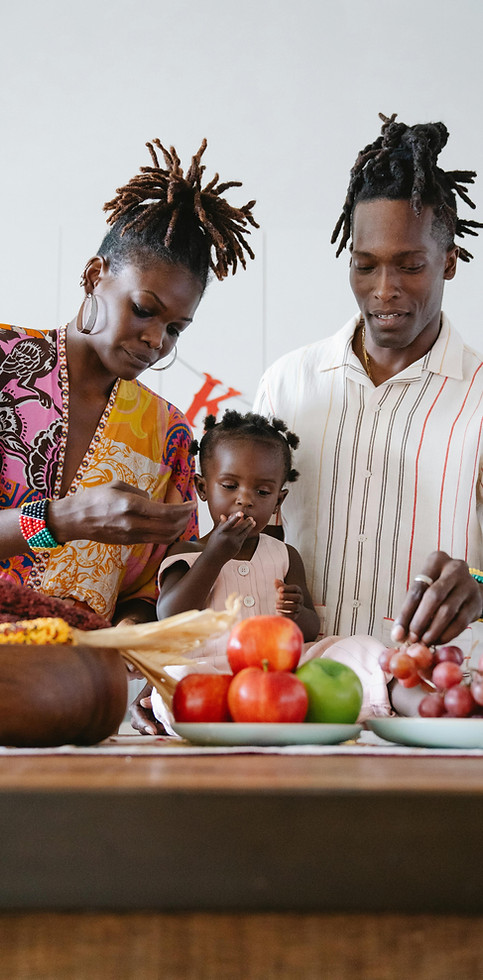
This cluster gently reframes family not as sentiment, but as structure.
Not just love, but coordination. Not just support, but continuity. Not just who we live with, but how we organize care, labor, money, and decision-making.
The Quiet Shift
The quiet shift here is this: Togetherness is not weakness. Isolation is not strength. And independence, when imposed, becomes expensive.
This space is not asking us to romanticize the past or force closeness where there is harm. It doesn’t deny complexity or pain. It simply invites us to notice what was interrupted and why rebuilding collective strategy feels unfamiliar now.
It will not shame single parents. It will not demand conformity. It will not tell us what our families “should” look like. It will not rush reconciliation or prescribe unity.
There is no performance required here. You can move through this material slowly. You can pause. You can take what applies and leave what does not. You can return later.
This cluster exists here because before we talk about wealth, business, or long-term security, something else has to be addressed.
No group sustains power without shared infrastructure, and family, however it’s defined, has always been one of the first places that infrastructure lives.